
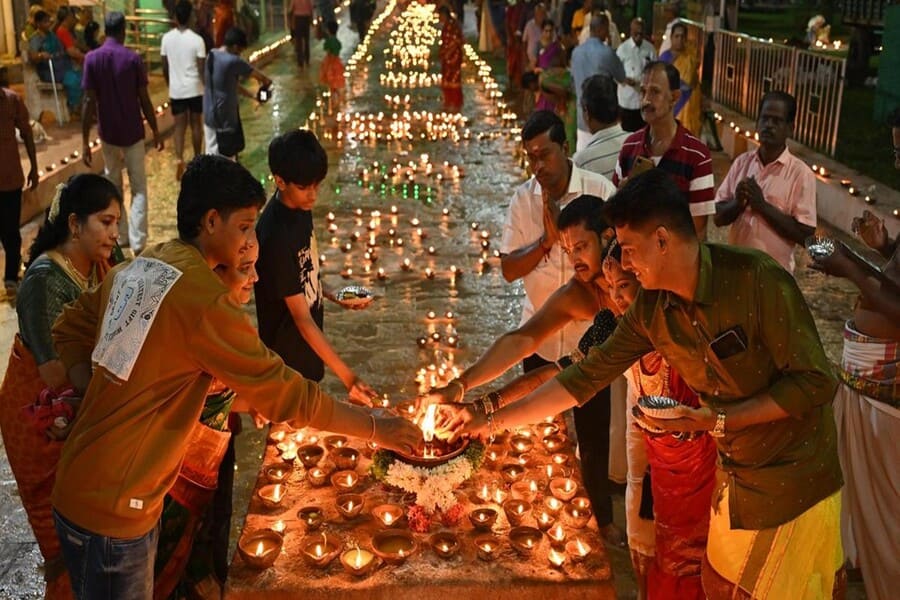

What is Vishnu Festival? Meaning and Religious Significance
The Vishnu festival represents a heartfelt expression of faith in Lord Vishnu the preserver among the Hindu trinity of Brahma the creator and Shiva the destroyer. Devotees believe Vishnu maintains cosmic balance and protects righteousness through his ten avatars including Rama and Krishna. This festival underscores themes of protection mercy and moral order drawn directly from core Hindu philosophy.
At its essence the Vishnu festival invites participants to seek inner peace and divine grace. It reinforces the idea that Vishnu intervenes in times of crisis as detailed in ancient epics. Through collective worship believers renew their commitment to virtuous living. Such observances foster a sense of unity among diverse communities across regions.
The Origins and History of Vishnu Festival
The roots of the Vishnu festival trace back to Vedic literature composed over three thousand years ago. Early hymns in the Rig Veda praise Vishnu as the one who strides across the cosmos in three steps symbolizing his all pervading presence. Later Puranas expanded these ideas detailing his avatars and divine exploits that form the foundation of Vaishnava traditions.
Over centuries the festival evolved through temple traditions and royal patronage in medieval India. Kings and scholars promoted grand celebrations to honor Vishnu ensuring the continuity of rituals. Historical records from temple inscriptions confirm how these practices spread from southern temples northward blending local customs with scriptural mandates. This enduring legacy reflects a rich tapestry of devotion refined through generations.
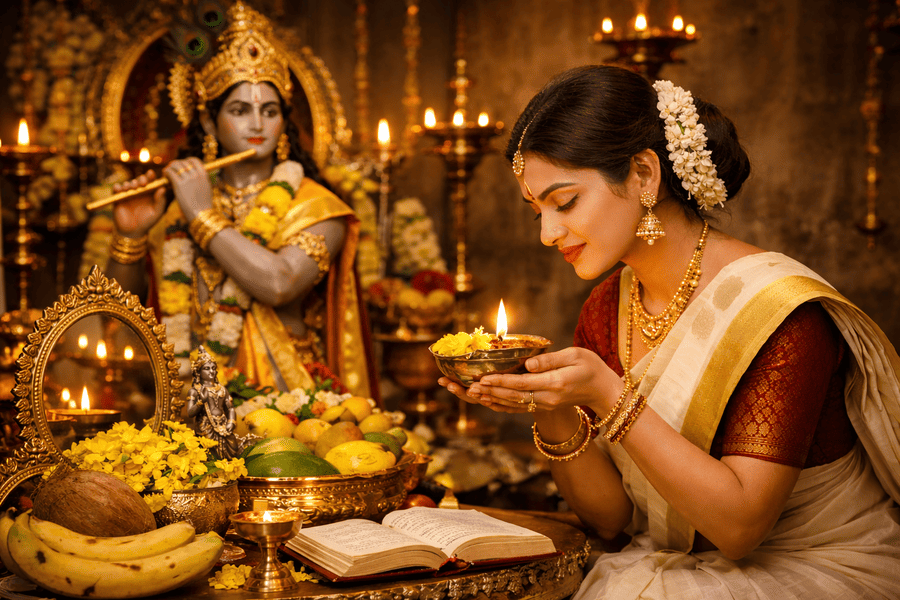
When and Where is Vishnu Festival Celebrated?
The Vishnu festival occurs on auspicious lunar dates throughout the year most notably during Ekadashi the eleventh day of each fortnight in the Hindu calendar. Major observances align with full moon or new moon phases depending on regional customs. Devotees mark these times with heightened fervor especially in the months of Margashirsha and Kartika.
Celebrations span the length of India with prominent gatherings at renowned Vishnu temples. Key sites include the Sri Venkateswara Temple in Tirupati Andhra Pradesh and the Sri Ranganathaswamy Temple in Srirangam Tamil Nadu. Similar events unfold in Badrinath high in the Himalayas and in Puri Odisha where the form of Jagannath draws millions. International communities in Nepal and parts of Southeast Asia also observe adapted versions creating global echoes of this sacred tradition.
Key Rituals and Traditions of Vishnu Festival
Central to the Vishnu festival are time honored practices that engage body mind and spirit. These rituals draw from scriptural guidelines and have been performed consistently in temples for centuries. Participants approach them with sincerity seeking blessings for harmony and prosperity.
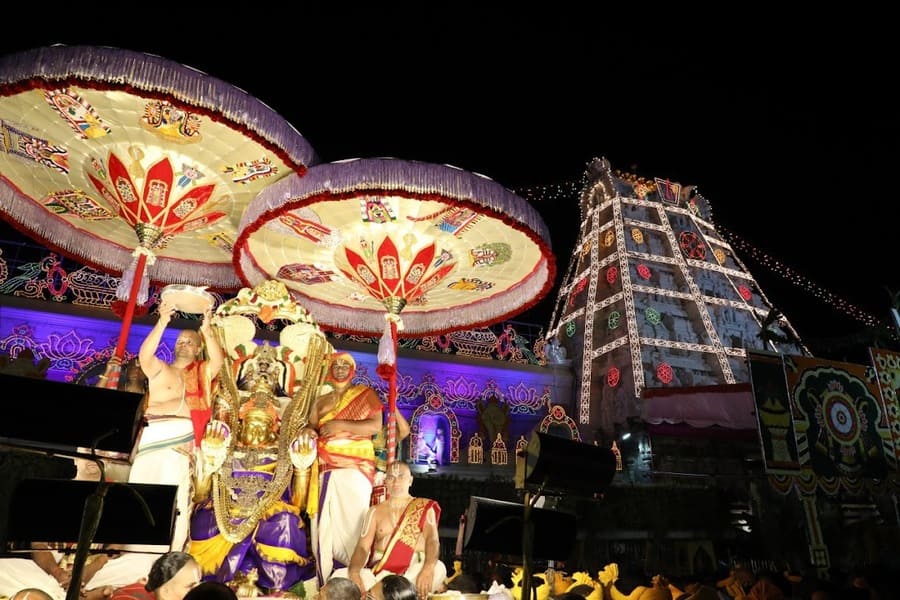
Temple Worship and Vishnu Ceremony
Temple worship forms the cornerstone of the Vishnu festival where the ceremony unfolds in elaborate sequences. Priests perform abhishekam bathing the deity with milk honey and water while chanting mantras. This sacred act symbolizes purification and renewal. Visitors join the procession around the sanctum offering their presence as an act of surrender.
The ceremony often includes decorating the idol with fresh flowers and jewels creating a visually stunning focal point. Such moments allow devotees to experience direct connection with the divine. In my firsthand observations at major temples the atmosphere during these ceremonies radiates calm reverence that lingers long after the rites conclude.
Fasting and Spiritual Discipline
Fasting during the Vishnu festival serves as a powerful tool for self discipline and devotion. Many observers abstain from grains and consume only fruits or simple liquids on Ekadashi days. This practice purifies the body and sharpens focus on spiritual goals as outlined in Vaishnava texts.
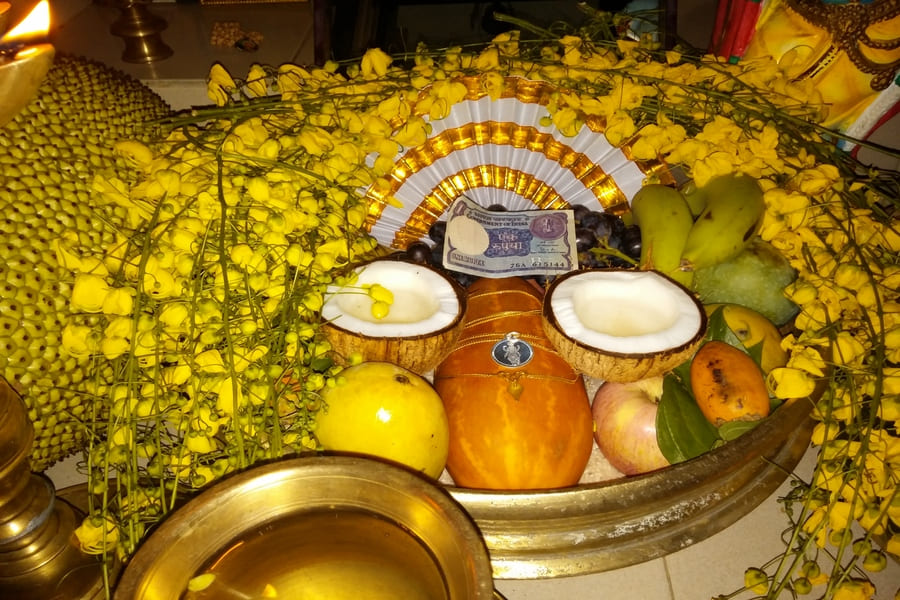
Devotees report heightened clarity and emotional balance after completing these fasts. Practical tips from experienced participants suggest starting gradually to build endurance. The discipline reinforces humility reminding worshippers of their dependence on divine grace rather than material comforts.
Recitation of Sacred Texts
Recitation of sacred texts brings the festival to life through vibrant oral traditions. Groups gather to chant the Vishnu Sahasranama a list of one thousand names describing the lords attributes. This collective singing invokes protection and wisdom drawn from the Mahabharata.
Sessions often last several hours fostering deep concentration among participants. The rhythmic flow of verses creates an immersive soundscape that elevates the spirit. Those new to the practice find it accessible with guided recitations available at most temple events.
Offering Tulsi Leaves and Prasadam
Offering Tulsi leaves holds special importance in the Vishnu festival since the holy basil plant is beloved by Lord Vishnu. Devotees place fresh leaves at the deities feet as a symbol of pure love and surrender. This simple gesture carries profound meaning in Vaishnava lore.
Prasadam the sanctified food distributed after rituals nourishes both body and soul. Typical items include sweet rice preparations and fruits blessed during the ceremony. Sharing prasadam strengthens community bonds and extends the blessings beyond the temple walls.
Bhajans and Devotional Singing
Bhajans and devotional singing infuse the festival with melodic energy. Groups perform kirtans praising Vishnu and his avatars using traditional instruments like harmonium and mridangam. The call and response format encourages everyone to join creating waves of collective joy.
These musical expressions have sustained the tradition across generations. Attendees often describe the singing as a direct path to emotional release and spiritual upliftment. In practice choosing familiar bhajans enhances participation for first time visitors.
Famous Festivals Dedicated to Vishnu You Should Know
Several renowned events highlight the breadth of devotion to Lord Vishnu beyond the general festival. Janmashtami commemorates the birth of Krishna with midnight celebrations and playful reenactments of his childhood. Rama Navami honors the epic hero Rama through recitations of the Ramayana and temple processions.
Vaikuntha Ekadashi stands out for its promise of liberation with grand temple openings and special prayers. The Rath Yatra in Puri features massive chariots carrying the deity Jagannath a form of Vishnu drawing huge crowds each year. Each of these festivals offers unique insights into the multifaceted worship of the preserver god.
What to Expect When Attending Vishnu Festival
Attending the Vishnu festival delivers an immersive sensory experience filled with color sound and devotion. Expect bustling crowds fragrant incense and the steady hum of chants echoing through temple halls. The atmosphere blends solemnity with festive cheer as families gather in traditional attire.
First time visitors often note the warmth extended by locals eager to explain rituals. Sensory highlights include the sight of elaborately adorned deities and the taste of shared prasadam. From my repeated visits I can confirm the event leaves a lasting impression of peace amid vibrant activity.
Travel Tips for Experiencing Vishnu Festival
Planning ahead ensures a smooth visit to the Vishnu festival. Book accommodations near major temples months in advance since crowds swell during peak dates. Opt for modest clothing that covers shoulders and knees to honor local customs and facilitate comfortable movement.
Local transport options like auto rickshaws or temple shuttles prove efficient for navigating busy areas. Carry small change for offerings and stay hydrated especially if observing partial fasts. Learning a few basic phrases in the regional language builds rapport with devotees and enriches interactions.
Seasoned travelers recommend arriving early for key ceremonies to secure good viewing spots. Respect photography guidelines inside sanctums and maintain silence during recitations. With thoughtful preparation the festival becomes a rewarding journey of cultural discovery and personal reflection.
0 Comment