

Ha Long Bay is far more than a UNESCO-listed spectacle of emerald waters and towering limestone pillars—it is one of Vietnam’s most compelling seafood destinations. The sheltered bay, with its calm currents and nutrient-rich inflows from surrounding rivers, creates perfect conditions for shellfish and finfish to thrive. Daily catches arrive straight from local fishermen and floating aquaculture rafts, delivering squid that is translucent and springy, geoduck clams with long ivory necks, plump oysters, mantis shrimp with armored sweetness, and rarer treasures like sá sùng (peanut worm). Northern Vietnamese cooking keeps preparations straightforward—grilling over charcoal, steaming with lemongrass, quick stir-fries with garlic and chili—so the natural sweetness and texture of the sea remain front and center.
For travelers who have tasted coastal feasts from Goa to Konkan, Ha Long offers a familiar thrill: fresh, bold ocean flavors presented with minimal interference, much like the simplest grilled pomfret or prawn dishes back home, but with Vietnam’s signature herbal brightness and subtle heat. This guide walks through the Ha Long seafood dishes that define the bay, explains why each one stands out, shares practical ways to enjoy them, and suggests how to weave them into your days on the water. Whether you are cruising through the karsts, kayaking to hidden lagoons, or wandering Bai Chay’s waterfront, these are the must-try food in Ha Long that turn every meal into part of the Vietnam vacation packages.
Why Ha Long Bay Is Famous for Seafood
The bay’s geography is the secret ingredient. Protected from open-ocean swells, the water stays relatively calm, allowing shellfish to grow large and clean-tasting. Rivers carry minerals and plankton into the inlets, feeding vast networks of oyster and clam farms built on bamboo rafts. Fishermen head out at dawn with traditional bamboo traps and hand nets, bringing back squid, mantis shrimp, clams, and seasonal rarities that reach kitchens or market stalls within hours. This short supply chain is what gives Ha Long seafood its signature freshness: squid still has a slight translucence, oysters carry a clean mineral finish, and clams release sweet broth when steamed.
The cooking style amplifies the raw quality. Charcoal grills add gentle smokiness, lemongrass and ginger lift lighter dishes, and nuoc cham (fish sauce, lime, chili) provides the sharp, bright contrast that makes every bite pop. International visitors often describe it as affordable luxury—dishes that would cost far more in coastal cities elsewhere, presented in casual waterfront settings or floating village kitchens. For Indian travelers, the appeal is immediate: the emphasis on fresh protein, herbs, and balanced heat feels like a cousin to our own seaside cooking, just lighter and more herb-forward.
Must-Try Ha Long Seafood Dishes for Every Traveler
These dishes form the heart of Ha Long’s culinary identity. They range from approachable crowd-pleasers to bolder specialties that reward adventurous eaters.
Grilled Squid (Cha Muc Ha Long)
Cha muc is the dish most closely associated with Ha Long Bay—often called the region’s unofficial signature. Fresh squid is hand-pounded by mortar and pestle into a smooth paste (machine processing would ruin the characteristic bounce), lightly seasoned with pepper, garlic, and spring onion, then shaped into patties or sausage-like links and grilled over low charcoal. The outside develops a caramelized crust while the inside stays juicy and springy, with a natural sweetness that sets it apart from squid cooked anywhere else.
Served with sticky rice, fresh herbs, rice paper wraps, or bánh cuốn (steamed rice rolls), and a side of nuoc cham for dipping, it becomes a complete, shareable meal. The texture—chewy yet tender—is what makes it unforgettable. For many first-time visitors, this is the gateway dish: familiar enough to feel approachable, distinctive enough to spark conversation. Order it simply grilled (“cha muc nuong”) and pair with a cold local beer or fresh coconut water for the classic experience.
Tu Hài (Geoduck Clam)
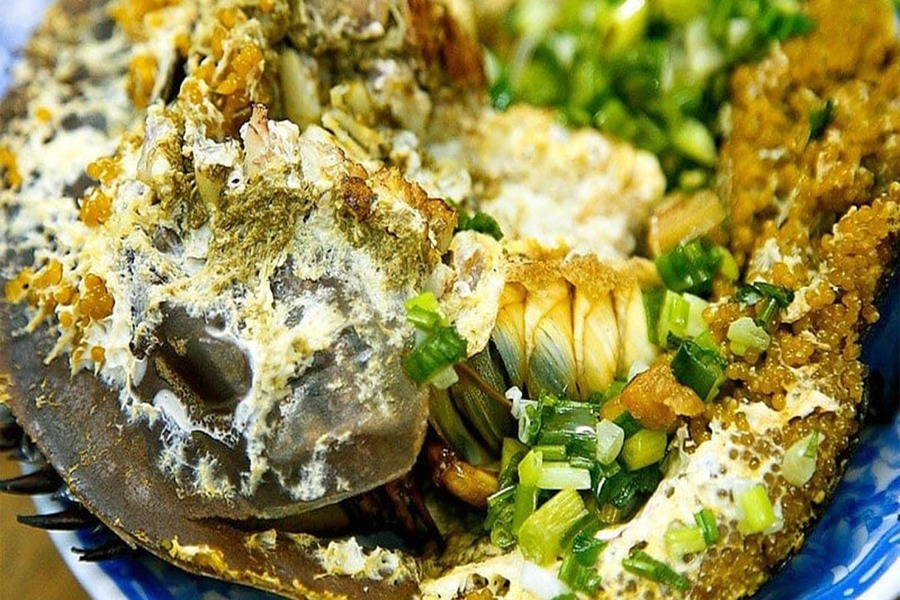
Tu hài, sometimes called the “elephant trunk clam,” is one of Ha Long’s premium offerings. The long siphon neck and firm body give it a dramatic appearance, while the meat delivers clean sweetness and a satisfying crunch-tender contrast. Farmed in the calmer parts of the bay, particularly around Van Don, it is harvested carefully to keep the flesh pristine.
The most popular preparation is grilling with scallion oil and crushed peanuts, which adds nutty smokiness without overpowering the clam’s natural flavor. Steaming with ginger, lemongrass, and perilla leaves is another excellent choice—gentle heat preserves the delicate texture and releases a fragrant broth. The neck can be sliced thin for quick stir-fries, while the body steams whole. Many travelers find the grilled version easiest to enjoy at first; more experienced eaters appreciate the raw sashimi-style presentation with lime and chili. It is a dish that rewards slow eating—each slice reveals layers of flavor and texture.
Sá Sùng (Sipunculus Worm / Peanut Worm)
Sá sùng is the bay’s most adventurous specialty—a burrowing marine worm prized for its nutty, crunchy texture and deep umami. Once considered a dish for royalty and still relatively rare, it is harvested from the silty mudflats around the bay. Fresh sá sùng has a firm snap similar to water chestnuts but with an unmistakable oceanic depth.
The classic way to enjoy it is stir-fried with garlic, chili, celery, and a touch of fish sauce—aromatic and bold. It also appears in clear soups with quail eggs or herbs, where the crunch contrasts beautifully with the silky broth. Dried sá sùng is sometimes used in stews or as a flavor booster. For food lovers who chase unique regional ingredients, this is the highlight—intense, memorable, and conversation-starting. If the idea feels too unfamiliar, start with a small portion in soup before trying the stir-fry.
Bề Bề (Mantis Shrimp)
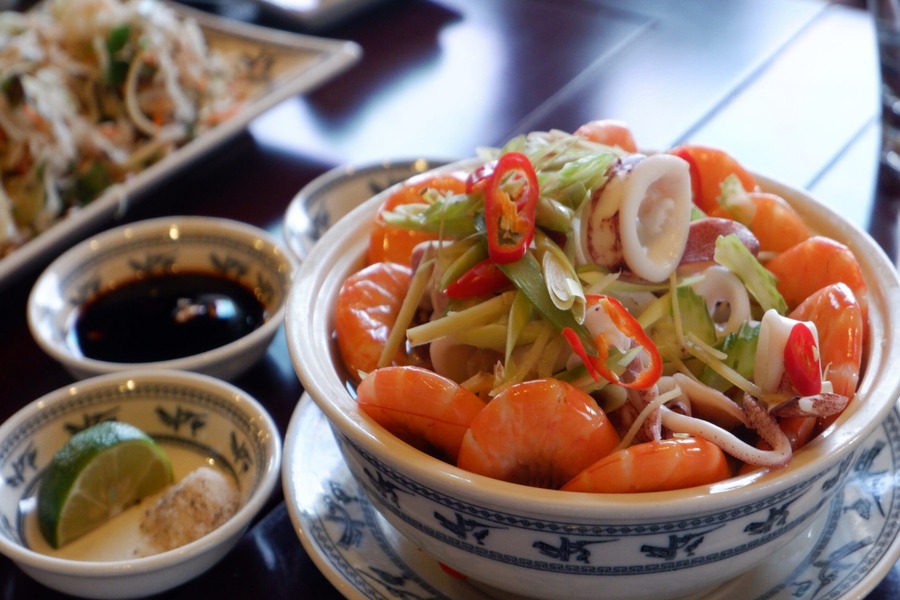
Bề bề, the armored mantis shrimp, offers meat that is sweet, firm, and lobster-like. Quang Ninh’s version tends to be smaller but denser in flavor than varieties found elsewhere. The tail is the prize—plump, white, and packed with natural sweetness.
Steaming with salt and pepper keeps the flavor pure and highlights the meat’s texture. Roasting with five-spice or garlic creates a caramelized exterior that contrasts with the tender interior. The most comforting preparation is bun bề bề: vermicelli noodles in a light lemongrass broth, topped with mantis shrimp, fresh herbs, and peanuts. It is satisfying, warming, and easy to share. Children and milder palates often enjoy it grilled or steamed—simple, flavorful, and not overwhelming.
Fresh Oysters (Ha Long Oysters)
Oysters from the Van Don area are larger and plumper than many Pacific varieties, with a clean, briny-sweet finish thanks to the bay’s mineral-rich water. They are farmed on bamboo rafts, which keeps them consistently high quality.
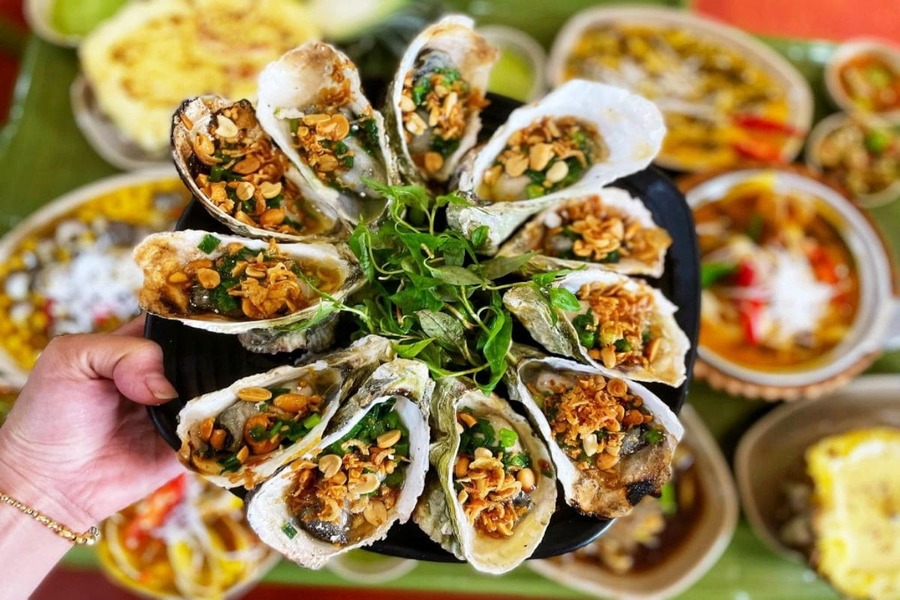
Grilling with scallion oil and crushed peanuts is the local favorite—rich, smoky, and deeply satisfying. Some places add a fusion touch with cheese or bacon for extra indulgence. Raw oysters with lime, black pepper, and a touch of chili are another excellent option, letting the natural minerality shine. A platter makes a perfect shared starter—visually striking, nutrient-dense, and easy to enjoy in any group.
Steamed Clams & Snails
Steamed ngao (clams) and ốc len (sea snails) offer a gentle, refreshing way to enjoy the bay’s shellfish. Clams are steamed with lemongrass, ginger, and chili, releasing a fragrant, citrusy broth that doubles as a light soup. Sea snails are prepared similarly, with ginger to balance their richness.
These dishes are light, shareable, and ideal for groups. The broth is excellent for dipping rice or bread, and the meat is tender without being chewy. They provide a clean counterpoint to richer grilled items—think of them as the palate-cleansing element of a seafood feast.
Best Places to Try Seafood in Ha Long Bay
Local Seafood Restaurants
Bai Chay remains the heart of the dining scene, with waterfront restaurants featuring live tanks and open-air seating. Hon Gai offers quieter, more local-feeling options. Look for busy venues—high turnover usually means fresher stock. Ask about preparation methods and check prices before ordering to ensure comfort.
Seafood Markets & Floating Villages
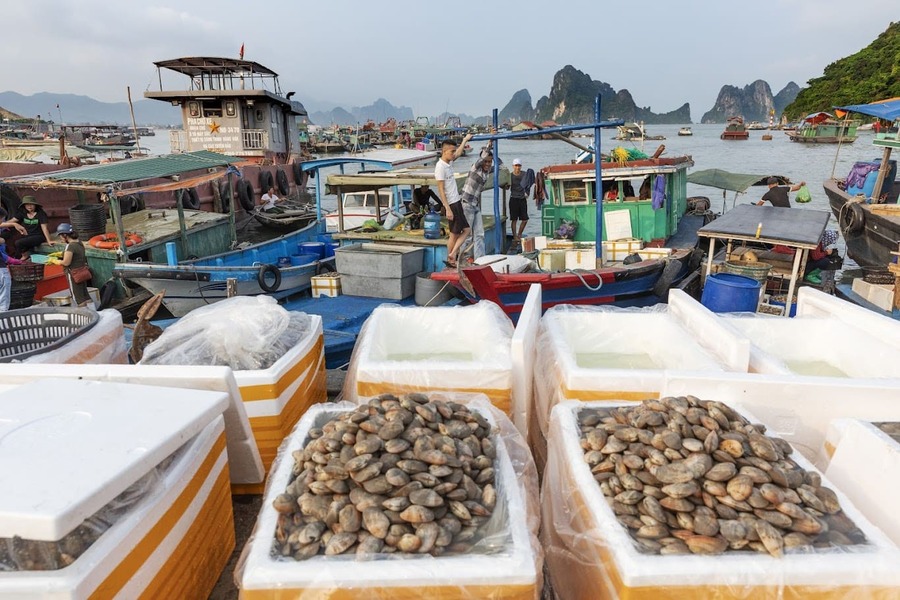
Morning markets in Cẩm Phả buzz with live catches—squid, clams, oysters, and mantis shrimp displayed in buckets. Buy what looks appealing and have it grilled or steamed on the spot. Floating villages like Cua Van, Vung Vieng, and Ba Hang take the experience further: kayak or rowboat to stilt-house kitchens, select your seafood from the raft, and eat surrounded by the bay’s karsts. It is one of the most immersive ways to enjoy Ha Long seafood.
For Travelers Seeking International Options: Visit The One Indian Ha Long
After several days of intense seafood meals, many travelers appreciate a familiar flavor profile. The One Indian Ha Long is a reliable choice among international restaurants in Ha Long, offering authentic North Indian curries, tandoori dishes, paneer preparations, naan, and vegetarian thalis in a clean, welcoming setting. European, American, and Indian visitors often return here for the comforting spices and consistent quality after adventurous seafood lunches. A common pattern: fresh seafood at midday, then Indian dinner in the evening—perfect balance for diverse tastes or spice-loving palates.
Tips for Enjoying Seafood Safely in Ha Long Bay
Freshness is easy to spot: clear eyes on fish, tightly closed shells on clams and oysters, bright red gills, and a clean ocean smell (never strong or fishy). Choose busy stalls or restaurants with visible live tanks or high turnover. Ask how each dish is prepared—grilled or steamed is usually safest. Eat seasonally when possible: cooler months bring sweeter crab and richer oysters, while warmer periods favor prawns and squid. If you have shellfish allergies, communicate clearly (“khong tom, khong cua” for no shrimp or crab) and consider non-seafood meals at places like The One Indian for peace of mind.
Hygiene is generally good in tourist areas—opt for hot, freshly cooked items over raw when in doubt. Drink bottled water and use hand sanitizer before eating. Supporting sustainable choices (farmed oysters and clams over wild-caught rarities) helps protect the bay for future visitors.
Sample Food Itinerary for a Day in Ha Long Bay
- Morning: Start light with Vietnamese coffee and a fresh banh mi at a Bai Chay café—gentle fuel for a cruise or kayak trip.
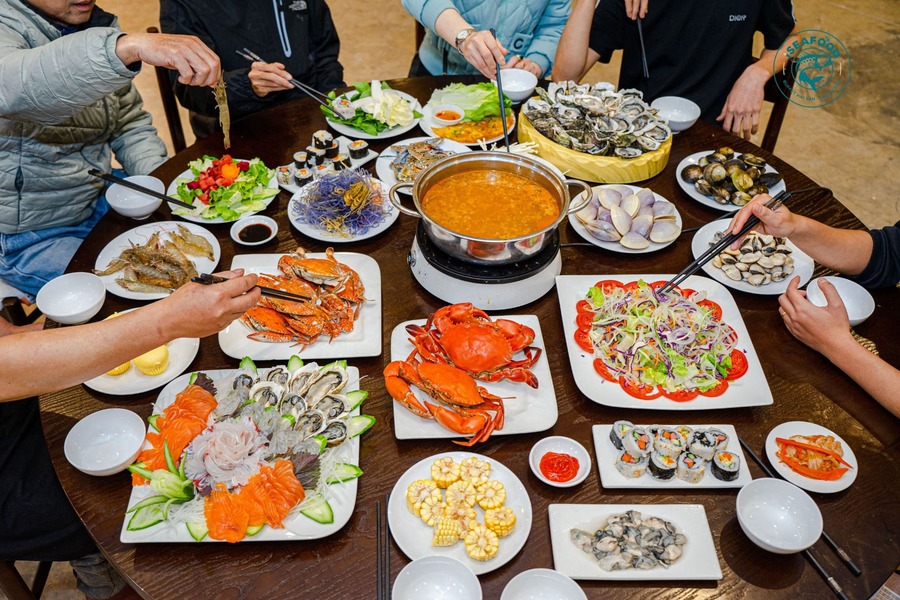
- Lunch: Head to a waterfront restaurant for a seafood spread—grilled cha muc, steamed bề bề, and a platter of grilled oysters shared among the table.
- Afternoon: Explore caves, Titop Island, or Sun World Ha Long Complex; grab grilled squid skewers or fresh coconut as a snack.
- Evening: Wind down with dinner at The One Indian Ha Long—butter chicken, paneer tikka masala, garlic naan, and a vegetable biryani to reset the palate after a day of briny flavors.
For complete multi-day plans that balance sightseeing, relaxation, and dining, look at curated itineraries from operators like Go Vietnam Tours.
FAQs About Ha Long Seafood for First-Time Visitors
Is Ha Long seafood generally expensive?
No—street stalls, markets, and mid-range restaurants keep most shared platters very accessible. Upscale venues or live-tank restaurants charge more for ambiance and service, but the quality justifies it.
What if I have a shellfish allergy?
Many restaurants can adapt dishes by focusing on squid or fish, or skipping seafood entirely. Places like The One Indian Ha Long offer completely non-seafood Indian meals as a safe alternative.
Which dish should I try first?
Start with cha muc—it is approachable, iconic, and loved by almost everyone. From there, move to grilled oysters or steamed bề bề before trying rarer items like sá sùng.
Is Ha Long seafood suitable for children?
Yes—grilled prawns, steamed clams, and mantis shrimp are mild and easy for kids. Avoid raw preparations or very spicy versions; most restaurants are happy to adjust.
Ha Long Bay’s seafood is more than sustenance—it is the living flavor of the place. Each dish carries the story of the water, the raft, the fisherman, and the charcoal fire. Eat slowly, share generously, and let the bay feed your curiosity and your appetite. The karsts may steal the photos, but the seafood will steal your heart.
0 Comment